How to Crate Train Your Dog for a Long-Haul Flight
A stress-free journey starts weeks before takeoff. Many pet owners worry about their dog traveling in the cargo hold, but with proper preparation, the travel crate won’t be a scary cage—it will be a safe, familiar haven for them. Here is the GÜNZ expert-approved method for successful crate training.
1. Choosing the Right IATA-Compliant Crate
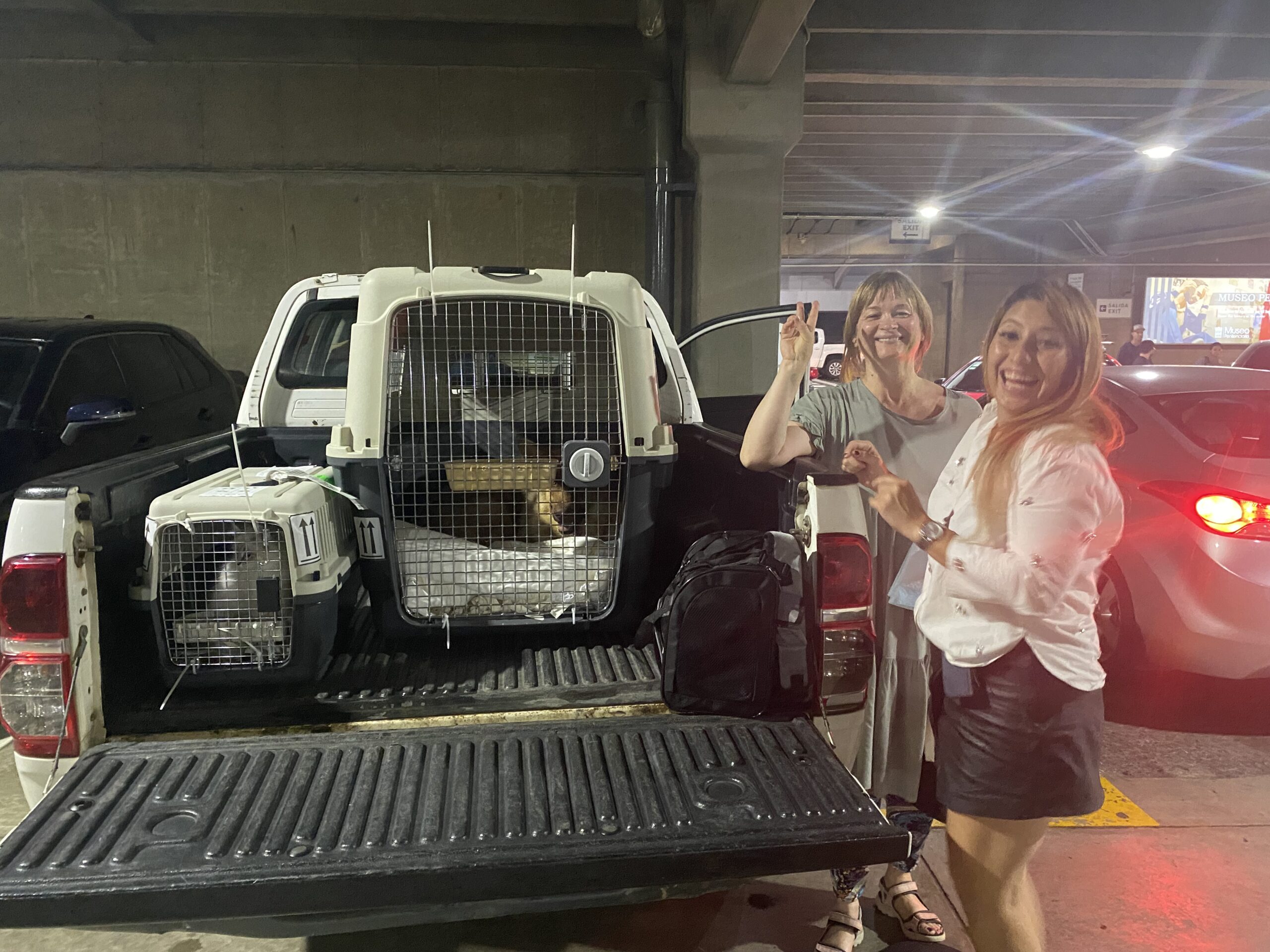
The very first step is acquiring the right-sized, IATA (International Air Transport Association) approved hard-sided travel crate. Your dog must be able to stand up comfortably without their ears touching the roof, turn around, and lie down in a natural position. If the crate is too small, the airline can refuse boarding at the airport.
2. Gradual Introduction (Positive Association)
Never force your dog into the crate! Start by removing the top half and the door of the crate, leaving only the bottom tray. Place your pet’s favorite blanket, some toys, and treats inside. Let your dog explore it at their own pace. Our goal is to associate the crate exclusively with positive experiences. You can also start serving their daily meals inside or right next to the crate.
3. Closing the Door and Increasing Time
Once your dog voluntarily goes into the crate to rest, reattach the top and the door. Initially, close the door for just a few seconds while continuously praising and rewarding them through the grates. Gradually increase the time spent inside to minutes, then hours. Very important: only open the door and let them out when they are completely calm and quiet. If you let them out while they are barking or whining, they will learn that throwing a fit is the key to escaping.
4. Simulating Movement and Isolation
During the flight, your dog will experience movement and will be alone. Once they rest calmly in the closed crate, start carefully lifting or moving the crate around the house. Later, leave them in the crate in another room while you are not present, or leave the house for a short time. This process helps prepare them for airport handling and the flight itself, reducing separation anxiety.